



13
Aug
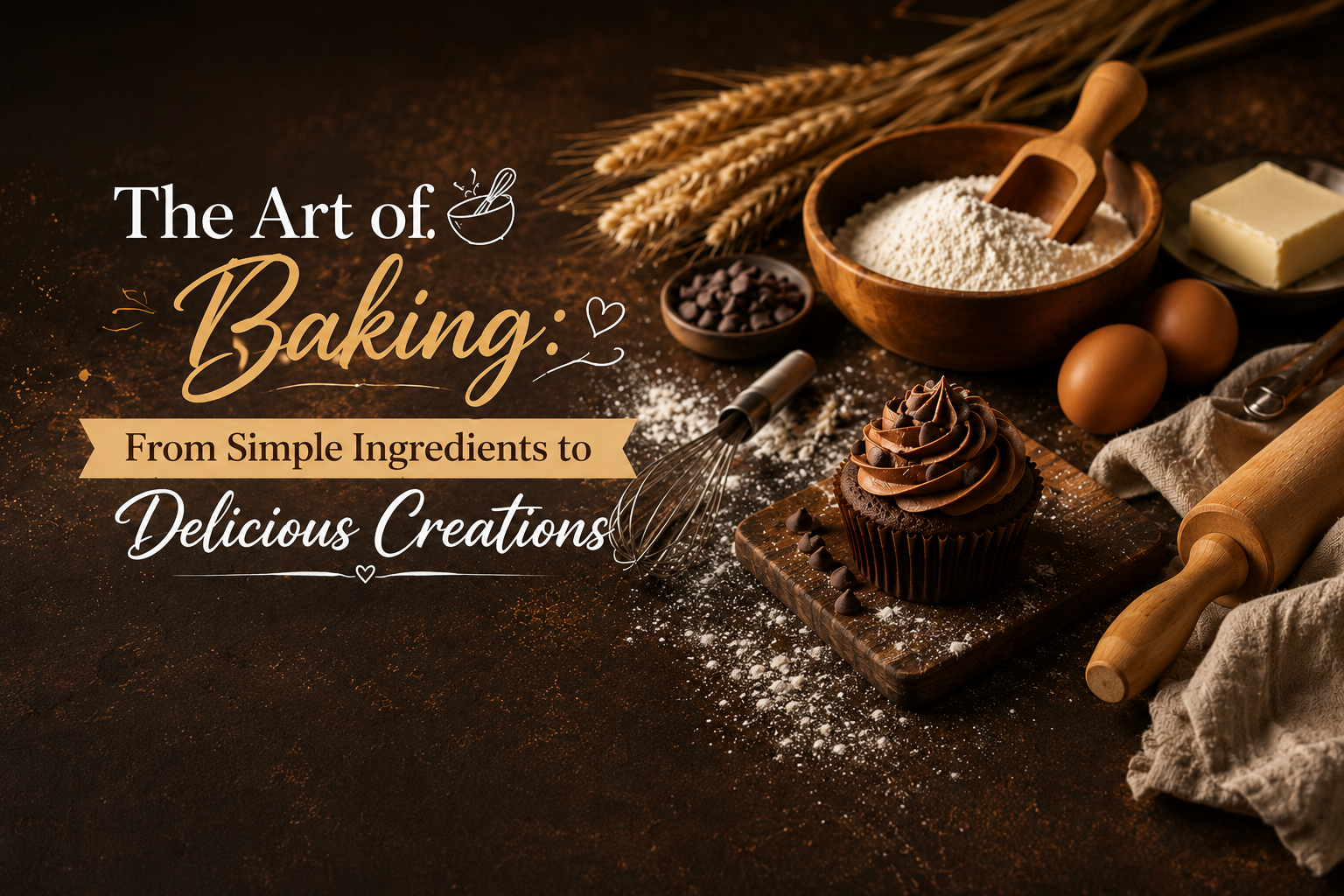
Baking is more than just following a recipe; it is a delicate balance of science and creativity. From the simplest loaf of bread to intricate pastries, baking transforms basic pantry staples into delightful culinary experiences. This guide will take you through the essential components of baking, practical techniques, and tips to help you become confident in the kitchen.
The foundation of any baked good lies in its ingredients. Familiarity with these components is crucial for successful baking.
Flour provides structure to baked goods. Different types of flour, such as all-purpose, bread, and cake flour, have varying protein contents that affect texture and rise. Choosing the right flour for your recipe ensures the desired crumb and consistency.
Sugar not only sweetens but also contributes to browning and moisture retention. Granulated sugar, brown sugar, and powdered sugar each have unique properties that influence the final product.
Butter, oil, and shortening add richness and tenderness. The choice of fat affects flavor and texture; for example, butter imparts a distinct taste while oils produce moistness.
Ingredients like baking powder, baking soda, and yeast create air pockets, helping doughs and batters rise. Understanding how and when to use these agents is key to achieving light, fluffy results.
Eggs provide structure, moisture, and emulsification. They also contribute to color and flavor, making them indispensable in many recipes.
Water, milk, and other liquids hydrate dry ingredients and activate leavening agents. The type and temperature of liquids can impact texture and rise.
Following a structured approach ensures consistent results.
Gather all ingredients and equipment. Preheat your oven to the correct temperature to ensure even baking.
Accurate measurement is vital. Use proper tools like measuring cups and scales to maintain precision.
Mix ingredients according to recipe instructions. Overmixing can develop gluten and toughen baked goods, while undermixing may result in uneven texture.
Place your items in the oven and avoid opening the door frequently. Use timers and check for doneness with toothpicks or visual cues.
Allow baked goods to cool properly to set structure and enhance flavor. Cooling racks promote air circulation and prevent sogginess.
Baking requires attention to detail. Here are some frequent errors and tips to prevent them:
Once you master the basics, experiment with flavors and decorations to make your creations unique.
Incorporate spices like cinnamon, nutmeg, or vanilla extract to enhance taste. Adding citrus zest or nuts can also provide interesting textures and aromas.
Use fruit preserves, chocolate chips, or cream cheese fillings to add layers of flavor. Decorative toppings like glazes, sprinkles, or powdered sugar can elevate presentation.
Substitute ingredients such as whole wheat flour, natural sweeteners, or plant-based fats to create nutritious versions without sacrificing taste.
Baking is a rewarding skill that combines precision and creativity. By understanding your ingredients, following proper techniques, and embracing experimentation, you can create delicious baked goods that impress family and friends. Whether you’re preparing a simple batch of cookies or an elaborate cake, the art of baking offers endless opportunities to delight your palate and express your culinary passion.
Start with the basics, practice regularly, and enjoy the journey from simple ingredients to delicious creations.